Community Responds to Suspected Medical Emergency in Dong Van, Highlighting Need for Rapid Emergency Care Access
Bystanders in Dong Van intervened to assist an unresponsive man found inside a parked sedan following a suspected stroke. The incident underscores both the vital role of community solidarity in medical crises and the urgent public health need for accessible emergency response systems and preventative cardiovascular care.

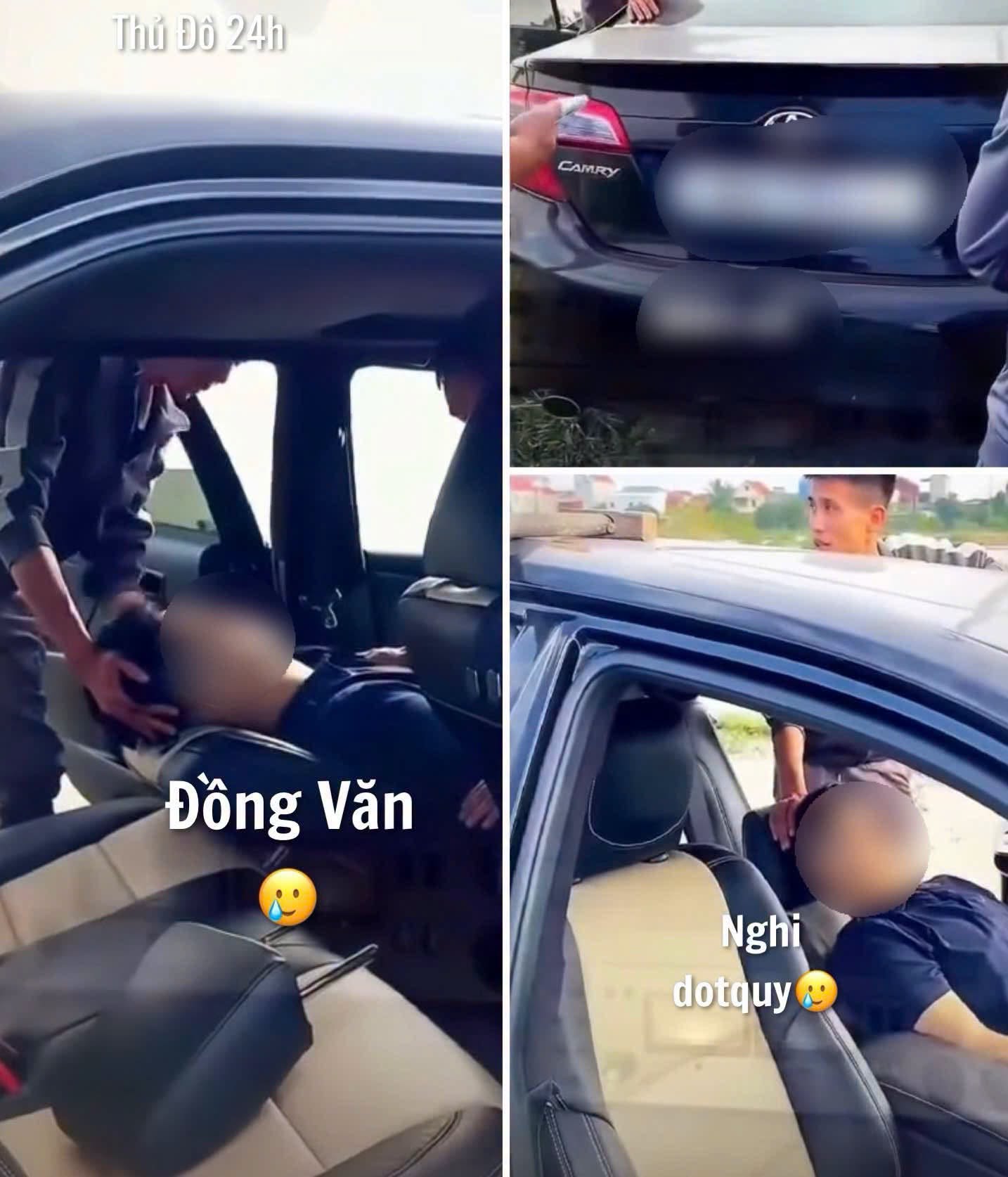
DONG VAN, VIETNAM — Local residents rushed to assist an unresponsive man discovered slumped across the seats of a parked sedan in Dong Van, northern Vietnam, in an incident widely circulated on local social media. According to captions accompanying the footage, bystanders suspected the man had suffered a sudden stroke while inside the vehicle. Images from the scene show community members opening the doors of the black Toyota Camry, carefully supporting the man’s head, and assessing his condition while coordinating assistance. In the circulating visuals, the individual's face and the vehicle's license plate were blurred—a critical measure to protect personal privacy and uphold human dignity during an acute medical vulnerability. While the immediate intervention of passersby highlights strong community solidarity, the incident points to broader public health and human rights concerns regarding emergency medical readiness. Under international human rights standards, including the right to the highest attainable standard of physical and mental health, access to timely, effective emergency care is a foundational obligation.In rapidly industrializing transit corridors and manufacturing hubs such as Dong Van, drivers, shift workers, and daily commuters face heightened risks of sudden cardiovascular and cerebrovascular events, often compounded by long working hours, fatigue, and heat stress. Medical specialists emphasize that outcomes during a suspected stroke depend heavily on rapid recognition, unobstructed ambulance access, and treatment within the critical initial hours.Public health advocates continue to call for expanded community first-aid training, clearer emergency dispatch protocols, and accessible preventative health screenings for workers and motorists. Strengthening local emergency infrastructure ensures that immediate bystander compassion is seamlessly backed by professional, life-saving medical care.
About the author: Linh Tran is a staff correspondent with GLJ Vietnam, based in Vietnam.