
Political Crisis in Nepal Rekindles Calls for a Return to the Crown
Corruption and instability have opened the door for pro-monarchy protests, raising questions about the future of the fragile republic.

KATHMANDU, NEPAL — Nearly two decades after Nepal cast off its monarchy and declared itself a federal republic, the country is once again in turmoil.
Protests and riots rocked Kathmandu in early September after the government banned 26 social media platforms for what authorities said was a failure to comply with registration requirements. Those riots, though in part over concerns about freedom of expression, were also a show of anger over government corruption and dissatisfaction with the ruling class. So far, at least 73 people have died from injuries sustained during the unrest.
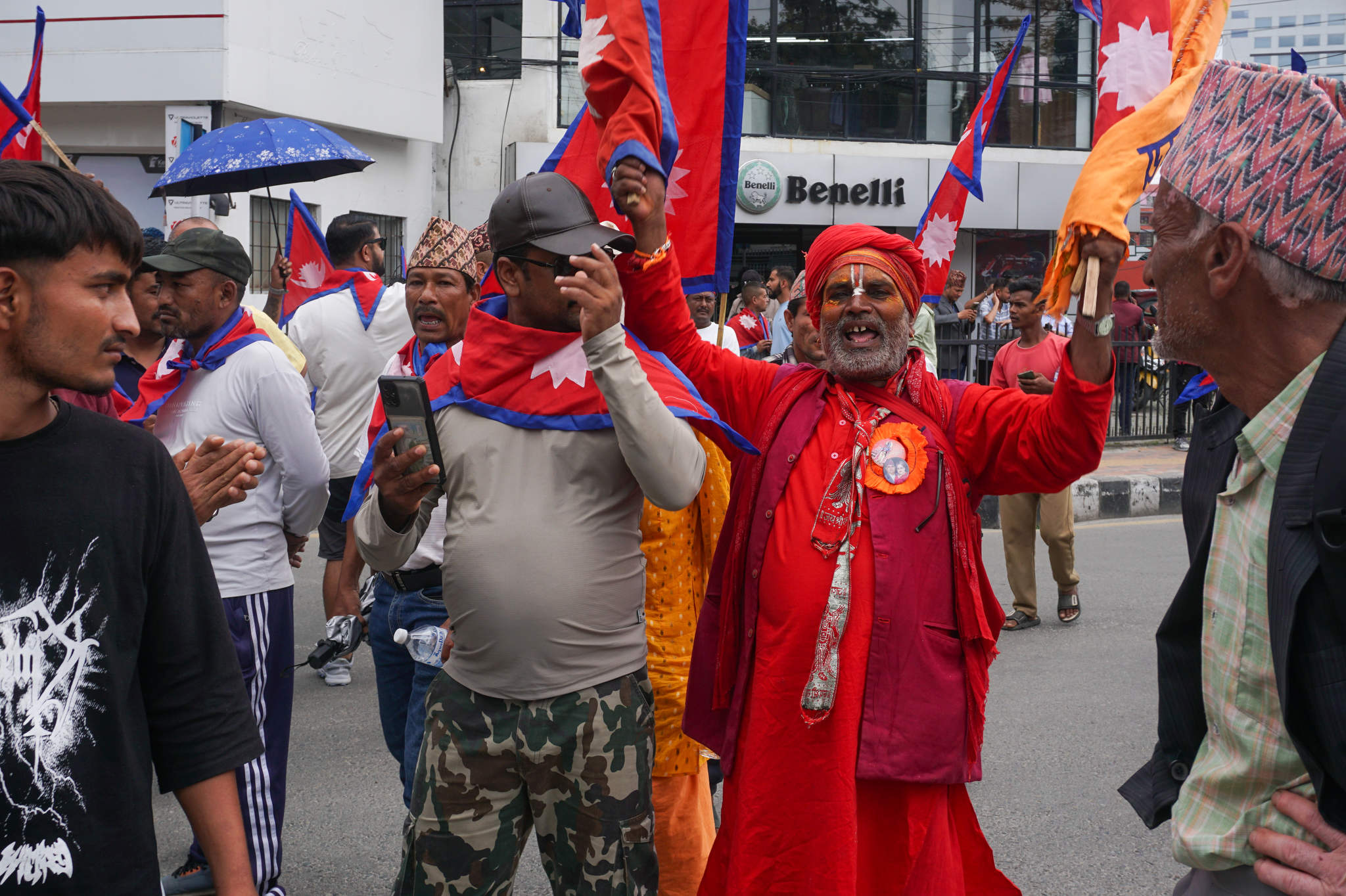
Many protesters were simply angry at the current administration — and one result of the protests was the resignation of Prime Minister KP Sharma Oli. But many sought more drastic change: a return to the monarchy and the restoration of Hinduism as the state religion.
It’s not the first time public resentment has spilled over. In March and again on May 29 — Nepal’s Republic Day — thousands took to the streets, calling for the return of the king.
The movements have drawn from different crowds and come with different demands, but they point to a deepening frustration with Nepal’s political order, says Chandra Dev Bhatta, a political analyst. What people are asking for, he says, is a change in the country’s system and reforms.
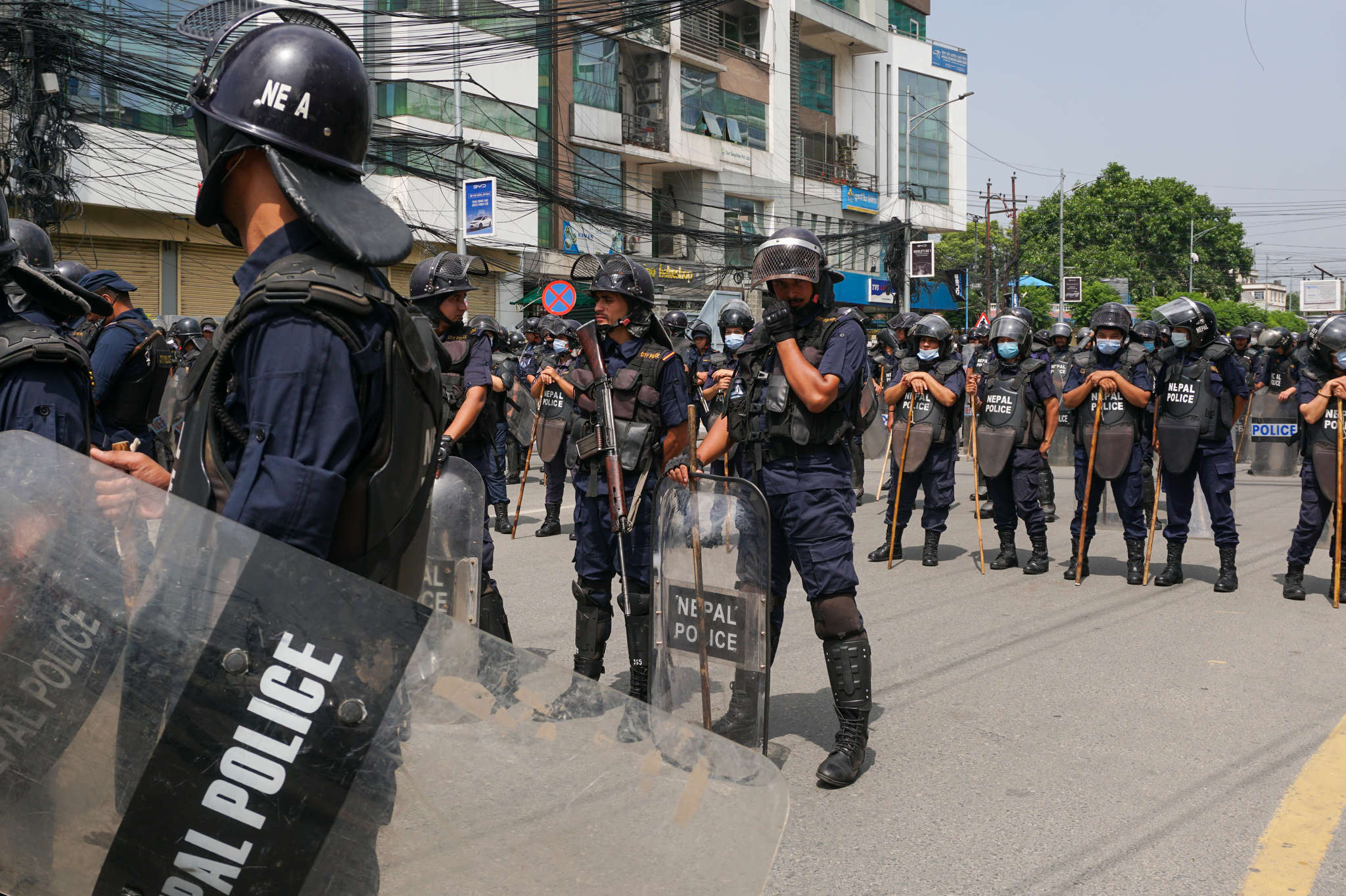
In the 17 years since abolishing the monarchy, the country has cycled through 16 governments. Pro-monarchists say none have delivered on the promises that inspired the republic in the first place.
“Inflation has pushed the poor and voiceless even further down,” Shyamsundar Acharya says.
Acharya is 23 years old — too young to remember life under a Nepali kingdom. But he’s heard his grandmother’s stories. A monarchy ensured basic human rights, he says.
Since he moved to Kathmandu for school three years ago, Acharya says, he’s had extreme financial difficulties.
“Even in a big city like Nepal’s capital, there are no real employment opportunities,” he says. “A king cares for his people, but political parties only look after their loyal cadres.”
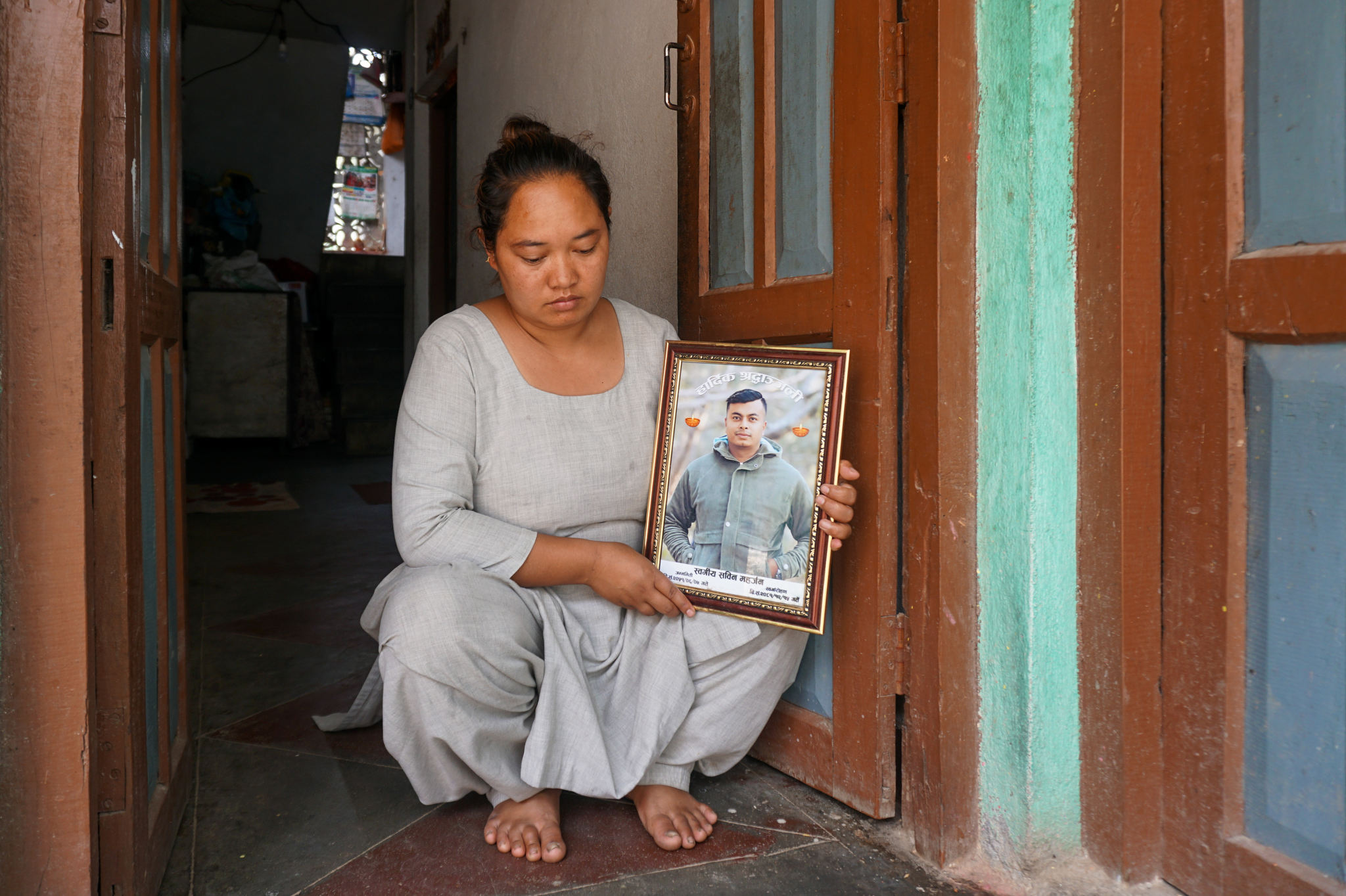
But some believe a return to the crown would not cure Nepal’s problems. Bhavisha Malla, whose husband was one of two people who died during the pro-monarchy protests on March 28, says Nepal’s problems stem from the dysfunction of those in power.
“Whether the country is ruled by a king or a republic, it doesn’t matter,” she says. Her husband, a 27-year-old driver, left their home in Kathmandu the morning of the March protests to get his car repaired before work. He joined the protests.
Hours later, he was dead, shot by police, she says.
“Both systems have not given justice to our family,” she says.
From kingdom to republic For more than 200 years, kings ruled Nepal. They often resisted reforms and rolled back democratic advances.
In 1960, King Mahendra dismissed the country’s first elected government, banned political parties and ruled directly for the next three decades. Although protests in 1990 forced a multiparty democracy, the monarchy continued to act above the constitution.
At the same time, frustration with inequality and state neglect fueled a decadelong Maoist insurgency that left at least 13,000 dead and 1,300 missing.
Then, in 2001, most of the royal family — including then-King Birendra — was massacred in the palace. His brother, Gyanendra, became king, but he never earned the public’s trust. In 2005, he dismissed the government and took absolute power. Protests erupted across the country.
In a dramatic shift, the Maoists and the mainstream political parties, which had long been at odds, united in opposition to the king. Two years later, a newly-elected assembly voted to abolish the centuries-old monarchy and declared Nepal a secular federal republic.
‘Everything is just rumors’ Ram Prasad Upreti, who helped lead the 2006 People’s Movement, says he remembers marching against the king, calling him a murderer and traitor who should leave the country.
Back then, Upreti says, he believed a new political system would bring jobs for the youth, economic development and a government that genuinely represented the people.
But that hasn’t been the case. Leaders who fought for the new system and once lived modestly became wealthy and alienated the people, he says.
About the author: Bishnu Thapa is a correspondent with GLJ Nepal, based in Nepal.